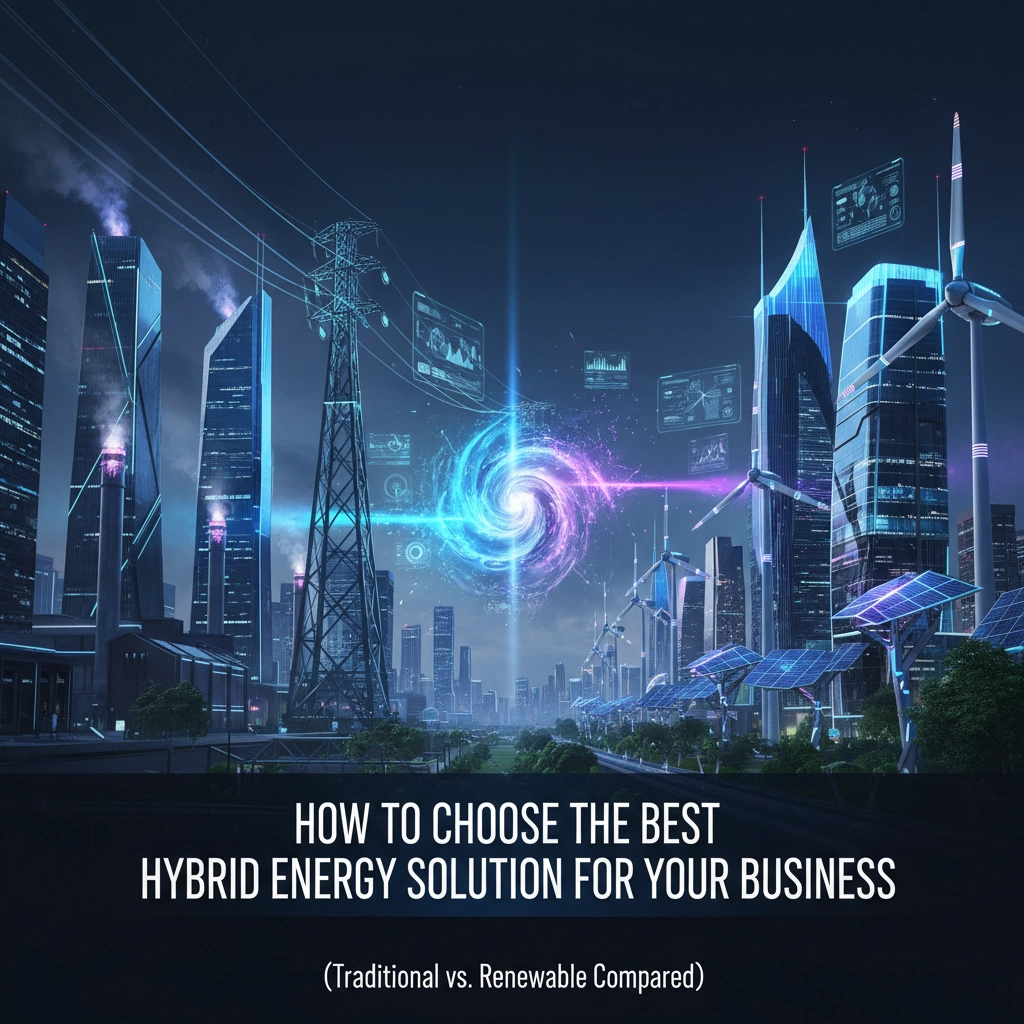
How to Choose the Best Hybrid Energy Solution for Your Business (Traditional vs. Renewable Compared)
Making the right energy choice for your business isn't just about keeping the lights on anymore. With energy costs fluctuating and sustainability becoming a competitive advantage, the decision between traditional energy systems and hybrid energy solutions can make or break your bottom line.
Here's the thing: there's no one-size-fits-all answer. But there are clear frameworks to help you make the smartest choice for your specific situation. Let's break down everything you need to know about traditional vs renewable energy options and how to pick the perfect hybrid energy solutions for your business.
Understanding Traditional Energy Systems
Traditional energy systems are straightforward – they rely on a single energy source, usually fossil fuels like natural gas, diesel generators, or direct grid connection. Think of them as the energy equivalent of having one trusted supplier for everything.
The Good:
- Lower upfront costs (you're not buying solar panels or wind turbines)
- Simple installation and setup
- Established maintenance procedures that most technicians understand
- Immediate availability – plug in and you're ready to go
The Not-So-Good:
- Rising fuel costs eat into your profits over time
- Complete dependence on grid stability and fuel supply chains
- Higher carbon footprint (which increasingly matters to customers and regulations)
- Zero protection against energy price spikes

For businesses with tight budgets and predictable energy needs, traditional systems still make sense. But they're becoming less attractive as renewable technology costs drop and energy security becomes more important.
The Rise of Hybrid Energy Solutions
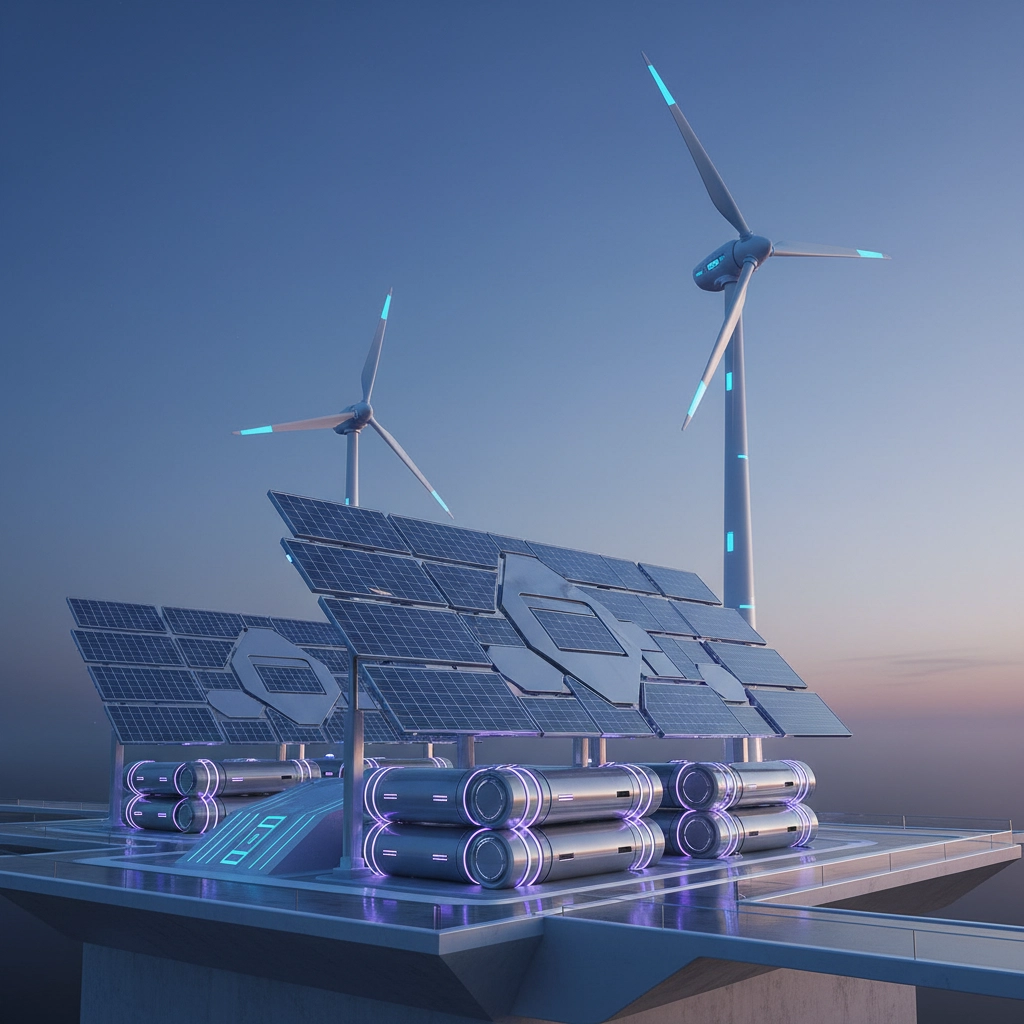
Hybrid energy solutions combine multiple energy sources – renewable options like solar and wind with traditional backup power and energy storage. It's like having multiple suppliers for your business, ensuring you're never caught off guard.
Modern hybrid systems are smart platforms that automatically choose which energy source to use based on availability, cost, and your business needs. When the sun's shining, you use solar. When it's not, you seamlessly switch to stored energy or traditional backup power.
Why Businesses Are Making the Switch:
Energy Security: You're not putting all your eggs in one basket. If one energy source has issues, others pick up the slack. Some hybrid systems can even operate completely off-grid, which is huge for businesses in remote areas or regions with unreliable power grids.
Long-term Savings: Yes, the upfront investment is higher. But hybrid systems typically pay for themselves through reduced fuel costs and operational expenses. Many businesses see 28-40% reductions in energy costs within the first few years.
Environmental Impact: Hybrid systems can reduce greenhouse gas emissions by 28-40% compared to traditional setups. This isn't just good for the planet – it's increasingly good for business as customers and partners prioritize working with sustainable companies.
Operational Flexibility: Advanced control systems optimize energy dispatch based on real-time conditions. Your system learns your usage patterns and automatically adjusts to maximize efficiency and minimize costs.
The Investment Reality:
Hybrid systems require higher upfront capital and more complex installation. You'll need professional expertise to properly integrate solar panels, wind turbines, battery storage, and smart controls. The planning phase is longer, and you need technical expertise for ongoing maintenance.
Making the Right Choice: A Practical Framework
Here's how to approach this decision systematically:
Choose Traditional Energy If:
- Your business operates on extremely tight capital budgets
- You have short-term operational timelines (less than 5 years)
- Your energy consumption is low and predictable
- You're in an area with very reliable grid power and stable energy pricing
- You don't have access to renewable energy resources (limited sun/wind)
Choose Hybrid Energy Solutions If:
- You're planning for 10+ years of operation
- You want protection against energy price volatility
- Your business values sustainability and carbon reduction
- You're in a remote location or area with unreliable grid power
- You have access to good renewable resources (sun, wind, etc.)
- You can handle the higher upfront investment for long-term savings

How MWEnergy Approaches Custom Energy Solutions
At MWEnergy, we don't believe in forcing square pegs into round holes. Every business has unique energy needs, and our approach reflects that reality.
We start by analyzing your specific situation – energy consumption patterns, location, budget constraints, and business goals. Then we design custom energy solutions that might include:
Solar Integration: Perfect for businesses with daytime operations or consistent year-round sunlight. Our solar solutions can be standalone or integrated into hybrid systems.
Hydrogen Solutions: Ideal for businesses needing long-term energy storage or clean fuel alternatives. Hydrogen works particularly well for industrial operations or businesses in remote locations.
Traditional Oil & Gas: Still the right choice for certain applications. We help optimize traditional systems for maximum efficiency and cost-effectiveness.
Emerging Technologies: We're pioneering next-generation energy solutions that could revolutionize how businesses think about power generation.
The magic happens when we combine these technologies. A manufacturing facility might use solar during peak production hours, hydrogen for overnight operations, and traditional backup power for emergencies. A remote mining operation might combine wind power, diesel generators, and advanced battery storage.
Key Factors to Evaluate
Location Matters: Businesses in sunny Arizona have different opportunities than those in cloudy Seattle. Remote locations often benefit more from hybrid systems because grid connection costs can be prohibitive.
Usage Patterns: If your business runs 24/7, energy storage becomes critical. If you're mainly daytime operations, solar integration might be perfect.
Financial Timeline: Can you invest more upfront for long-term savings, or do you need to minimize initial costs? Both approaches can work, but they lead to different solutions.
Regulatory Environment: Some regions offer significant incentives for renewable energy adoption. Others have strict carbon emission requirements that make hybrid systems almost mandatory.
Risk Tolerance: How much does energy price volatility or supply disruptions affect your business? High-risk businesses often find hybrid systems provide valuable insurance.
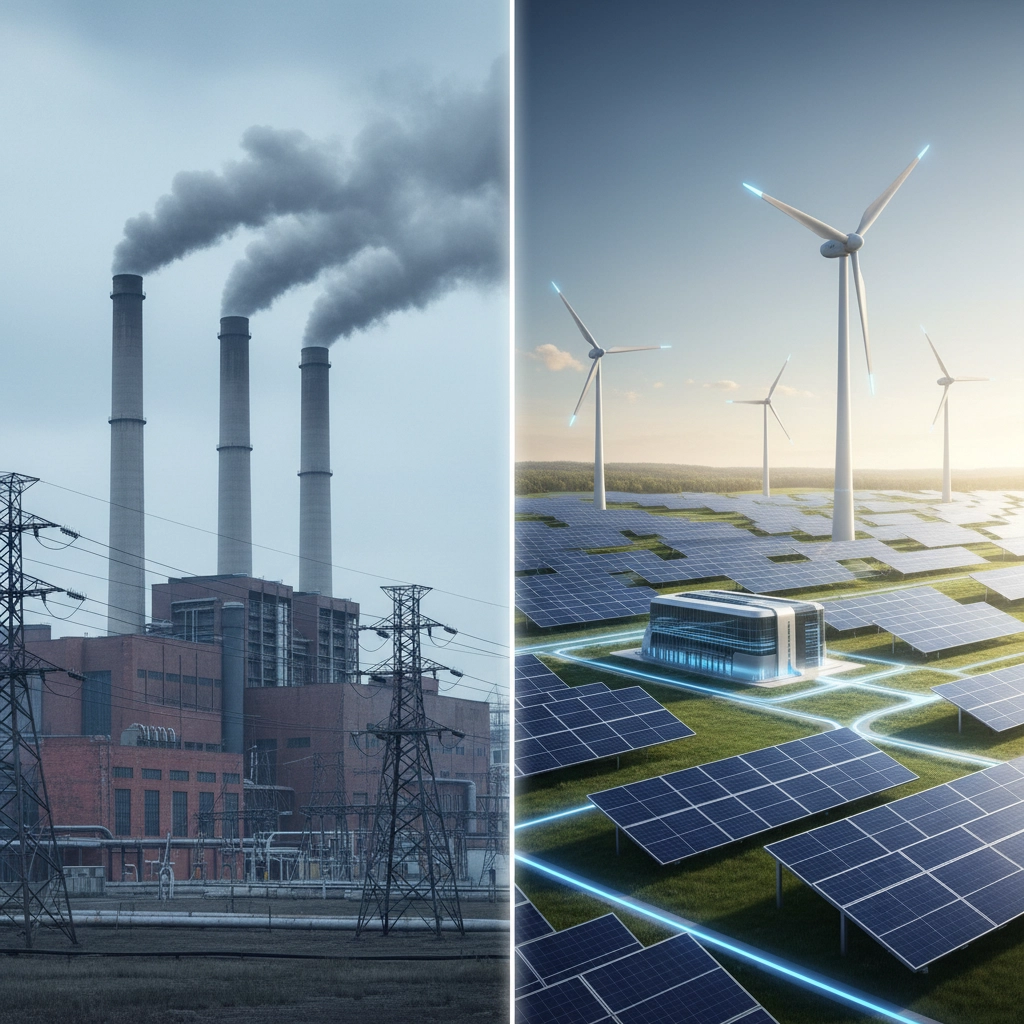
The Market Reality
The hybrid power solutions market is growing fast – from $2.96 billion in 2025 to a projected $6.03 billion by 2032. This isn't just hype; it reflects real business value.
Businesses are discovering that hybrid systems offer more than just energy cost savings. They provide:
- Competitive advantages through lower operational costs
- Brand value through sustainability leadership
- Operational resilience through energy independence
- Future-proofing against changing energy markets and regulations
Making Your Decision
The choice between traditional and hybrid energy solutions comes down to three key questions:
-
What's your time horizon? Short-term thinking favors traditional systems. Long-term planning usually points toward hybrid solutions.
-
How important is energy security? If power disruptions would significantly impact your business, hybrid systems provide valuable protection.
-
What are your growth plans? Expanding businesses often find hybrid systems scale more effectively than traditional options.
Remember, this isn't an all-or-nothing decision. Many businesses start with traditional systems and gradually add renewable components as budgets allow and needs evolve.
Next Steps
Ready to explore your options? Start by conducting an energy audit to understand your current consumption patterns and costs. Then evaluate your business priorities – cost minimization, sustainability goals, growth plans, and risk tolerance.
Contact our team to discuss your specific situation. We'll help you analyze your options and design an energy solution that fits your business needs and budget.
Whether you choose traditional energy, full hybrid systems, or something in between, the key is making an informed decision based on your unique circumstances. The energy landscape is evolving rapidly, and the businesses that adapt thoughtfully will have significant advantages in the years ahead.