The Ultimate Guide to Energy Transition: Everything Your Business Needs to Succeed in 2025
The energy landscape is shifting faster than ever, and if your business isn't planning for energy transition, you're already behind. As we move through 2025, companies face a unique opportunity: and challenge: to transform how they power their operations while staying competitive and profitable.
Here's the reality: energy transition isn't just about being green anymore. It's about future-proofing your business, reducing costs, and gaining a serious competitive edge. Whether you're running a manufacturing plant, managing a retail chain, or operating any energy-intensive business, this guide will walk you through everything you need to know.
Why Energy Transition Matters More Than Ever in 2025
The numbers don't lie. Global energy demand is set to increase by nearly 50% by 2050, while businesses face mounting pressure to decarbonize. This creates what experts call the "dual challenge": delivering more energy while making it cleaner.
But here's what makes 2025 different: renewable technologies have hit a sweet spot where they're not just environmentally responsible, they're financially smart. Solar and wind capacity additions jumped 60% year-over-year, and if current trends continue, we'll see 1,000 gigawatts of new clean power capacity added annually before 2030.

For businesses, this means two things. First, clean energy is becoming the cheapest option in most markets. Second, the companies that move early will lock in better prices and avoid the rush that's coming.
Understanding Your Energy Transition Options
Let's break down what energy transition actually means for your business. At its core, you have three main pathways:
Traditional Energy Optimization: This means maximizing efficiency in your current oil and gas systems while preparing for gradual shifts. Think smart monitoring, waste reduction, and strategic planning for future changes.
Renewable Integration: Adding solar panels, wind power, or other renewables to supplement or replace traditional sources. This is where most businesses see immediate cost savings.
Hybrid Solutions: The sweet spot for many companies: combining traditional, renewable, and emerging technologies like hydrogen to create a resilient, cost-effective energy mix.
Your Step-by-Step Energy Planning Process
Step 1: Audit Your Current Energy Use
Start with the basics. Map out exactly how much energy you use, when you use it, and what it costs. Most businesses discover they're wasting 15-30% of their energy without realizing it.
Key questions to ask:
- What are your peak usage times?
- Which processes consume the most energy?
- How predictable is your energy demand?
- What would a 20% energy cost increase do to your bottom line?
Step 2: Set Clear Goals and Timeline
Energy transition isn't a light switch: it's a dimmer. You need realistic goals that balance ambition with practical constraints.
Consider setting targets like:
- 25% renewable energy by end of 2025
- 15% reduction in energy costs within 18 months
- Carbon footprint reduction of 30% by 2027
Step 3: Evaluate Technology Options
This is where it gets interesting. You have more options than ever, and the right mix depends on your specific situation.
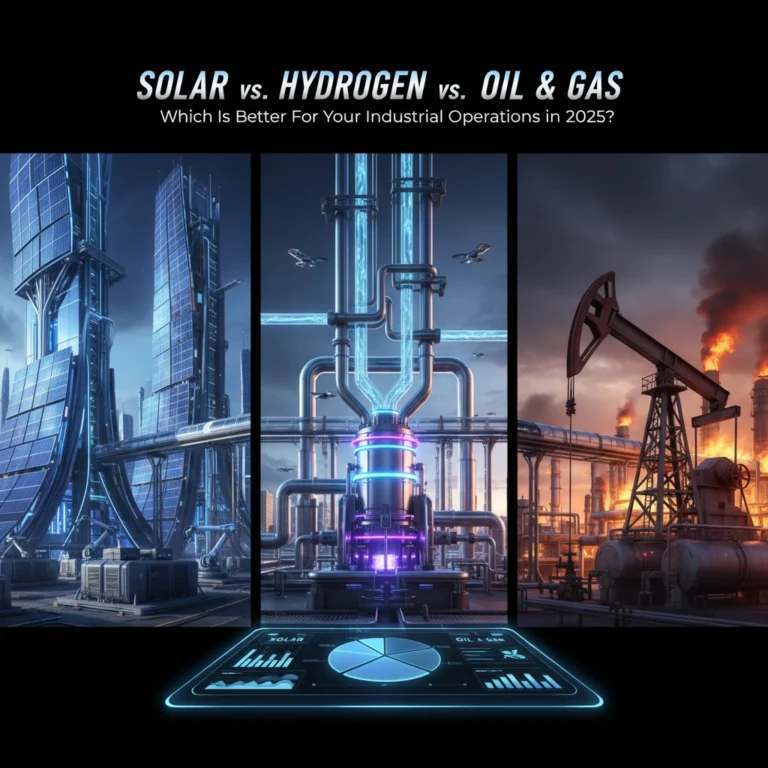
Solar Power: Perfect for businesses with large roof spaces or land. Costs have plummeted, and installation is faster than ever. Solar solutions can often pay for themselves in 3-5 years.
Hydrogen Technology: The game-changer for heavy industry and transportation. While still emerging, hydrogen offers incredible potential for businesses that need high-energy density solutions. Hydrogen systems are becoming viable for more applications every year.
Traditional Optimization: Don't overlook this. Modern oil and gas systems are far more efficient than older alternatives, and they can serve as bridges while you implement renewable solutions.

Step 4: Calculate Your Investment and Returns
Here's where many businesses get stuck: the numbers. Energy transition requires upfront investment, but the returns are often better than most business investments.
Typical payback periods:
- Solar installations: 3-6 years
- Energy efficiency upgrades: 1-3 years
- Hybrid systems: 4-8 years
Remember to factor in:
- Energy cost savings
- Tax incentives and rebates
- Improved operational resilience
- Brand value and customer appeal
Navigating the Technology Landscape
Solar: The Obvious Starting Point
Solar isn't just for tech companies anymore. Manufacturing, retail, agriculture: almost every industry can benefit. The technology is mature, reliable, and increasingly affordable.
What makes solar attractive in 2025:
- 20-year warranties on most systems
- Minimal maintenance requirements
- Predictable energy costs for decades
- Rapid installation (often 2-6 months from decision to operation)
Hydrogen: The Future is Here
Hydrogen technology has moved from experimental to commercial. For businesses that need continuous power, high-temperature processes, or heavy transportation, hydrogen offers unique advantages.
Industries seeing hydrogen adoption:
- Steel and cement production
- Long-haul transportation
- Chemical processing
- Data centers requiring backup power
Traditional Energy: Still Part of the Mix
Don't write off traditional energy sources. Modern natural gas systems, efficient oil-based equipment, and hybrid setups often make sense as transition technologies or permanent solutions for specific applications.
Overcoming Common Implementation Challenges
Challenge 1: Upfront Costs
Solution: Look beyond traditional financing. Power purchase agreements (PPAs), equipment leasing, and energy-as-a-service models can eliminate most upfront costs while still delivering savings.
Challenge 2: Technical Complexity
Solution: Partner with experienced providers who can handle the entire process. The key is finding companies that understand both traditional and renewable technologies.
Challenge 3: Reliability Concerns
Solution: Design hybrid systems with backup capabilities. Modern energy systems can actually be more reliable than traditional single-source setups.
How MWEnergy Simplifies Your Transition
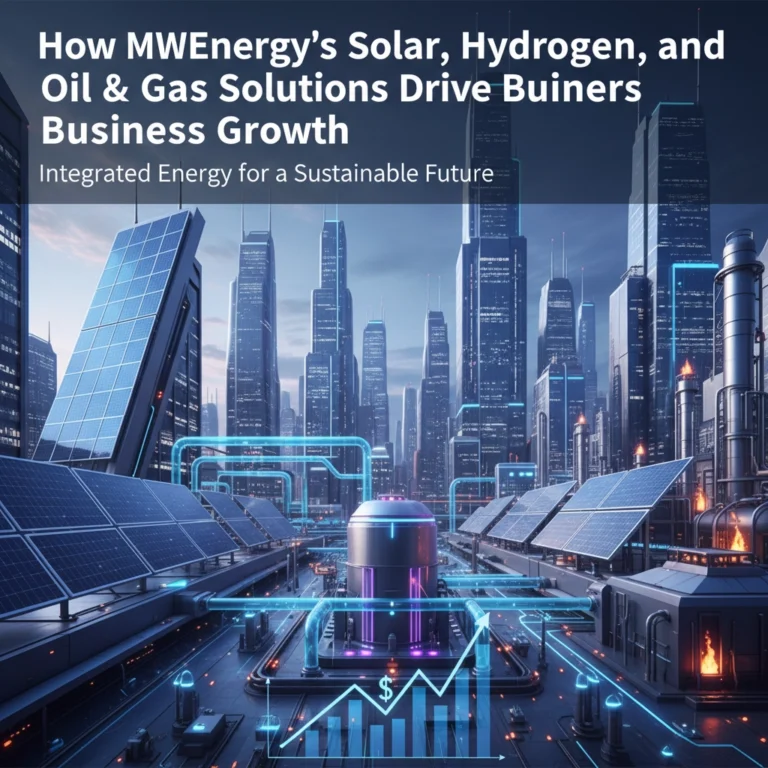
At MWEnergy, we've seen every type of energy challenge businesses face. What sets us apart is our comprehensive approach: we don't just sell you solar panels or hydrogen systems. We design complete energy solutions that make sense for your specific situation.
Our approach includes:
- Detailed energy audits and optimization recommendations
- Custom hybrid system design combining solar, hydrogen, and traditional sources
- Full project management from planning through installation
- Ongoing monitoring and maintenance
- Zero-point energy research for tomorrow's solutions
We work with businesses across industries, from small manufacturers to large industrial operations. Our goal isn't just to help you transition: it's to help you thrive in the new energy landscape.
Getting Started: Your Next Steps
Ready to begin your energy transition? Here's your action plan:
-
Assess Your Current Situation: Download our energy audit checklist or contact our team for a professional assessment.
-
Define Your Goals: Set specific, measurable targets for cost savings, efficiency improvements, and sustainability objectives.
-
Explore Your Options: Research solar, hydrogen, and hybrid solutions. Consider attending industry webinars or scheduling consultations with providers.
-
Run the Numbers: Calculate potential savings and payback periods for different scenarios.
-
Start Small: Consider pilot projects or phased implementations to minimize risk and prove concepts.
-
Partner Wisely: Choose providers with experience across multiple technologies who can grow with your needs.
The Bottom Line
Energy transition in 2025 isn't about choosing between traditional and renewable energy: it's about finding the right mix for your business. The companies succeeding today are those that view energy as a strategic advantage, not just a necessary cost.
The window for early-adopter advantages is still open, but it won't stay that way forever. As more businesses transition and demand for installation capacity grows, costs will rise and timelines will extend.
Your business has an opportunity right now to lock in lower energy costs, improve operational resilience, and position yourself as an industry leader. The question isn't whether to start planning your energy transition: it's how quickly you can get started.
Ready to take the next step? Visit our website to explore your options, or check out our detailed case studies on our blog to see how other businesses have successfully navigated their energy transitions.
The future of energy is here. The only question is whether your business will lead the way or follow others who moved first.