How to Combine Traditional and Renewable Energy for Maximum Business Reliability (Without Breaking the Budget)
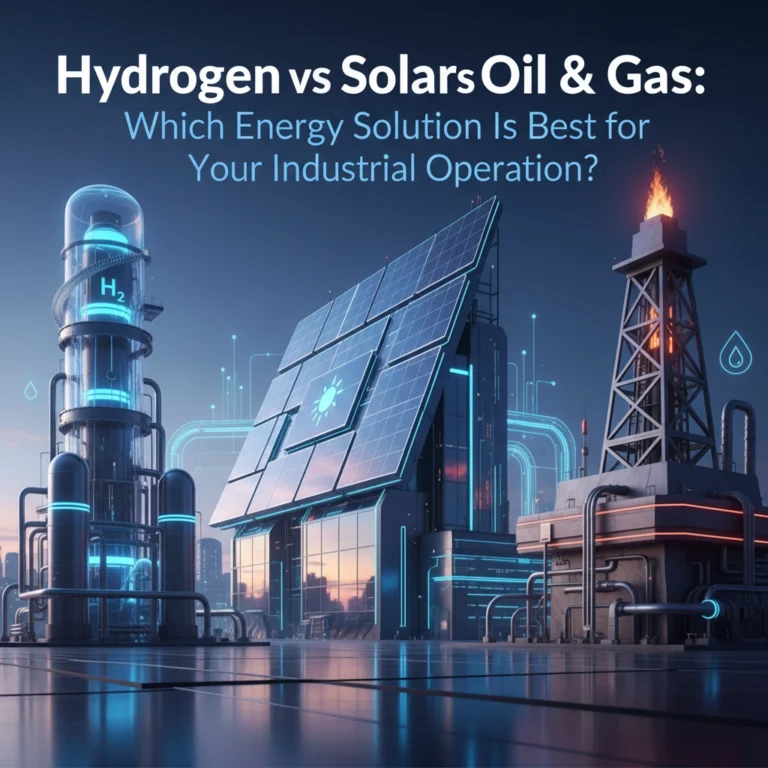
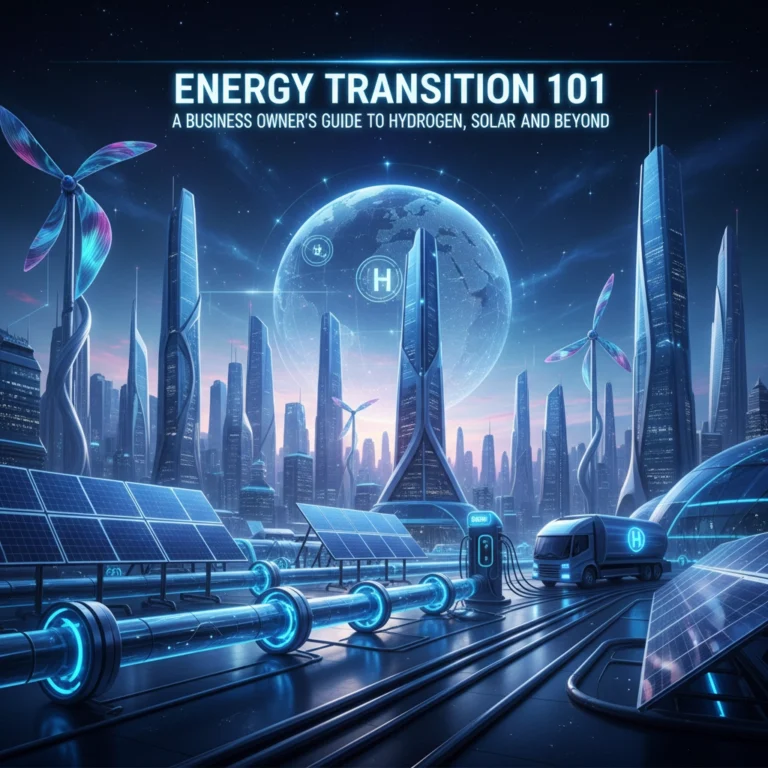
Running an industrial operation in 2025 means walking a tightrope between energy costs, reliability, and environmental responsibility. The good news? You don't have to choose just one energy source anymore. Smart businesses are discovering that hybrid energy solutions: combining traditional and renewable sources: deliver the reliability of conventional power with the cost savings of renewables.
Let's cut through the complexity and show you exactly how to build an energy strategy that works for your bottom line.
Why Hybrid Energy Solutions Make Business Sense
Think of hybrid energy systems like a diversified investment portfolio. Just as you wouldn't put all your money in one stock, relying on a single energy source exposes your business to unnecessary risk. When solar panels aren't producing at night, your gas generators kick in. When wind dies down, your battery storage takes over. When grid prices spike during peak hours, your stored renewable energy keeps costs down.
This approach isn't theoretical anymore: it's proven. Industrial facilities using hybrid systems report energy cost reductions of 20-40% while achieving 99.9% uptime reliability. The key is designing your system around your actual operational needs, not overbuilding for worst-case scenarios.

The Strategic Planning Framework
Before diving into equipment specifications, you need a clear picture of your energy landscape. Start with these three critical assessments:
Energy Demand Analysis: Map your facility's power consumption patterns throughout different seasons, production cycles, and times of day. Most businesses discover significant opportunities for load shifting: moving energy-intensive processes to times when renewable generation is high or grid rates are low.
Grid Reliability Assessment: Document your local utility's outage frequency, duration, and patterns. If you're experiencing more than 2-3 outages per year lasting over an hour, hybrid systems with adequate battery storage will pay for themselves through avoided production losses alone.
Cost Structure Evaluation: Calculate your true cost of energy including demand charges, peak-rate periods, and outage-related losses. Many businesses find their effective energy costs are 30-50% higher than their basic utility rates once all factors are included.
Smart Integration Strategies That Work
The secret to cost-effective hybrid systems is starting with your most reliable renewable resource and building from there. For most industrial operations, this means beginning with solar plus battery storage: the most mature and cost-effective combination available today.
Phase 1: Solar + Storage Foundation
Install solar panels sized to cover 40-60% of your daytime energy needs, paired with battery storage equivalent to 3-4 hours of critical load operation. This foundation provides immediate cost savings and outage protection while establishing the infrastructure for future expansion.
Phase 2: Grid Optimization
Add smart inverters and energy management systems that automatically switch between solar, battery, and grid power based on real-time pricing and availability. This capability alone can reduce peak demand charges by 15-25%.
Phase 3: Traditional Backup Integration
Integrate existing generators or add new natural gas backup systems that only run when renewable sources and storage are insufficient. Modern hybrid controllers ensure seamless transitions that your operations won't even notice.

Avoiding the Five Most Expensive Mistakes
Mistake #1: Oversizing for Worst-Case Scenarios
Don't design your system for the most extreme weather event or peak demand day of the year. Size for 80-90% coverage and let traditional backup handle rare edge cases. This approach reduces upfront costs by 25-30% while delivering 95% of the benefits.
Mistake #2: Ignoring Demand Charges
Many businesses focus only on energy consumption (kWh) costs while ignoring demand charges based on peak power draw (kW). Hybrid systems excel at peak shaving: using stored energy during high-demand periods to reduce these charges significantly.
Mistake #3: Fragmented System Design
Installing components from different vendors without integrated control systems creates ongoing operational headaches and reduces efficiency. Unified monitoring and control platforms prevent this costly complexity.
Mistake #4: Underestimating Grid Revenue Opportunities
Modern hybrid systems can participate in grid services markets, earning additional revenue by providing frequency regulation and grid stabilization services. This income stream can improve project returns by 10-15%.
Mistake #5: Skipping Professional Energy Auditing
DIY energy assessments miss critical optimization opportunities. Professional audits typically identify 20-30% more potential savings than internal assessments, easily justifying their cost through improved system design.
Cost Management That Actually Works
The "breaking the budget" fear is real, but manageable with the right approach. Here's how successful businesses control costs while maximizing benefits:
Leverage Government Incentives Strategically
Federal tax credits can offset 20-40% of installation costs, but timing matters. Many programs have expiration dates or declining benefit schedules, making early adoption financially advantageous.
Finance Smart, Not Cheap
Power purchase agreements (PPAs) and energy service agreements eliminate upfront costs while providing immediate savings. While you'll pay more over time than owning outright, the positive cash flow from day one makes these arrangements attractive for many businesses.
Start Where ROI is Highest
If your facility has multiple buildings or operations, begin with locations that have the highest energy costs, best solar exposure, or most critical reliability needs. Success in one area builds momentum and funding for expansion.

Your 90-Day Implementation Roadmap
Days 1-30: Assessment and Planning
- Complete professional energy audit
- Analyze 12-24 months of utility bills
- Document outage history and costs
- Define critical vs. non-critical loads
Days 31-60: System Design and Procurement
- Develop preliminary system designs
- Obtain multiple vendor quotes
- Apply for available incentive programs
- Secure financing or budget approvals
Days 61-90: Implementation Preparation
- Finalize system design and contracts
- Obtain necessary permits
- Schedule installation timeline
- Train staff on new systems
Most hybrid installations take 3-6 months from contract signing to commissioning, but this timeline assumes you've completed proper planning and preparation.
How MWEnergy Makes It Simple
At MWEnergy, we've guided hundreds of industrial operations through successful energy transitions. Our approach eliminates the complexity while maximizing your returns:
Integrated Solution Design: We don't just install equipment: we design complete energy strategies that optimize your solar, traditional, and emerging technologies like hydrogen into unified systems that work together seamlessly.
Risk-Free Assessment: Our energy audits identify your specific opportunities without upfront costs. You'll get clear ROI projections and implementation timelines before making any commitments.
Financing Solutions: We work with multiple financing partners to structure deals that generate positive cash flow from day one, whether through PPAs, leases, or traditional financing options.
Ongoing Optimization: Energy markets and your business needs evolve. Our monitoring and optimization services ensure your hybrid system adapts to changing conditions while maintaining maximum efficiency.
Moving Forward Without Breaking Your Budget
The most successful hybrid energy projects start with clear goals and realistic timelines. You don't need to transform your entire energy infrastructure overnight. Begin with a professional assessment of your current situation, identify your highest-impact opportunities, and build your system in phases that match your budget and operational priorities.
The technology exists. The economics work. The question isn't whether hybrid energy solutions make sense for your business: it's how quickly you can implement them while staying within budget constraints.
Ready to explore what hybrid energy solutions could mean for your operation? Contact our team for a no-cost assessment that shows exactly how much you could save while improving your energy reliability.
Your business deserves an energy strategy as sophisticated as your operations. Let's build it together.