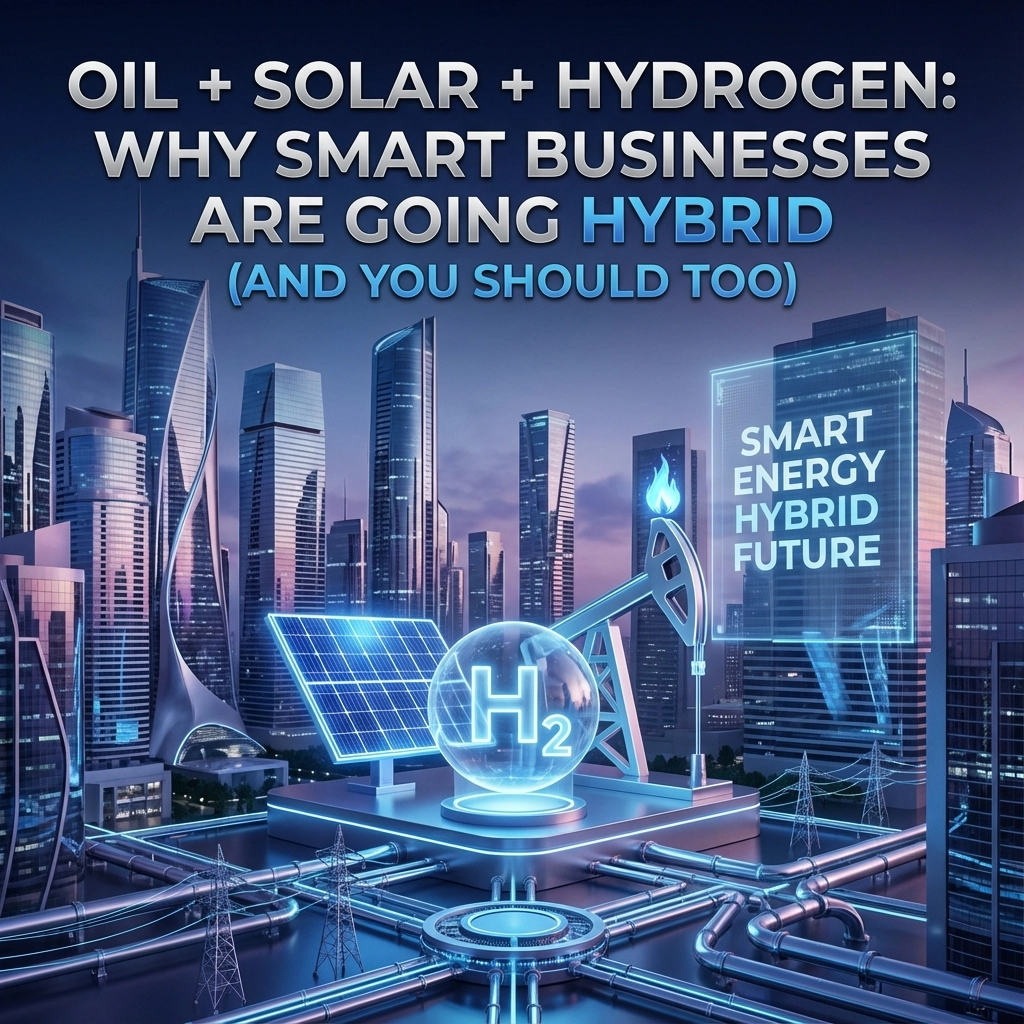
Oil + Solar + Hydrogen: Why Smart Businesses Are Going Hybrid (And You Should Too)
Most businesses are stuck playing energy roulette. They bet everything on one power source and cross their fingers when prices spike, storms hit, or supply chains break down. But the smartest companies? They're hedging their bets with hybrid energy strategies that combine oil, solar, and hydrogen into one bulletproof system.
Here's why this three-way energy marriage is revolutionizing how businesses power their operations, and why you need to pay attention.
The Problem with Going All-In on One Energy Source
Let's be honest: every energy source has its kryptonite. Solar panels go dark when clouds roll in. Wind turbines sit motionless on calm days. Even the electrical grid can fail when you need it most. And oil? Well, we've all seen those price charts that look like roller coasters.
The solution isn't picking the "perfect" energy source (spoiler alert: there isn't one). It's building a system that covers all the gaps.
Why Oil + Solar + Hydrogen Is the Ultimate Energy Trifecta
Think of hybrid energy like a diversified investment portfolio, but for power. Each source covers the weaknesses of the others:
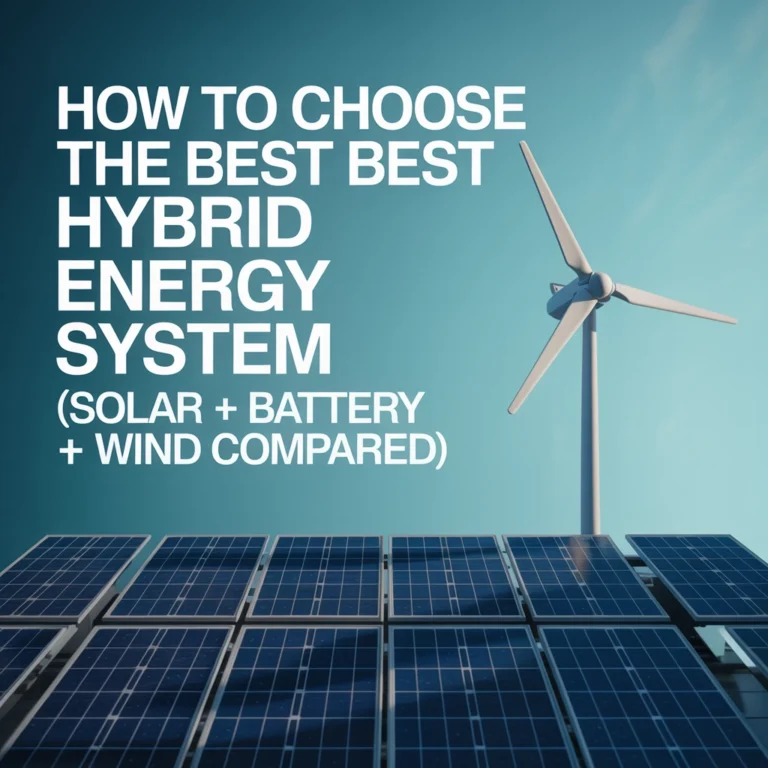
Solar handles your daytime baseload. When the sun's shining, solar panels crank out cheap, clean electricity. Perfect for offices, manufacturing, and any operation that runs during business hours.
Oil provides instant backup power. When demand spikes or renewable sources dip, oil generators kick in immediately. No waiting, no hoping, just reliable power exactly when you need it.
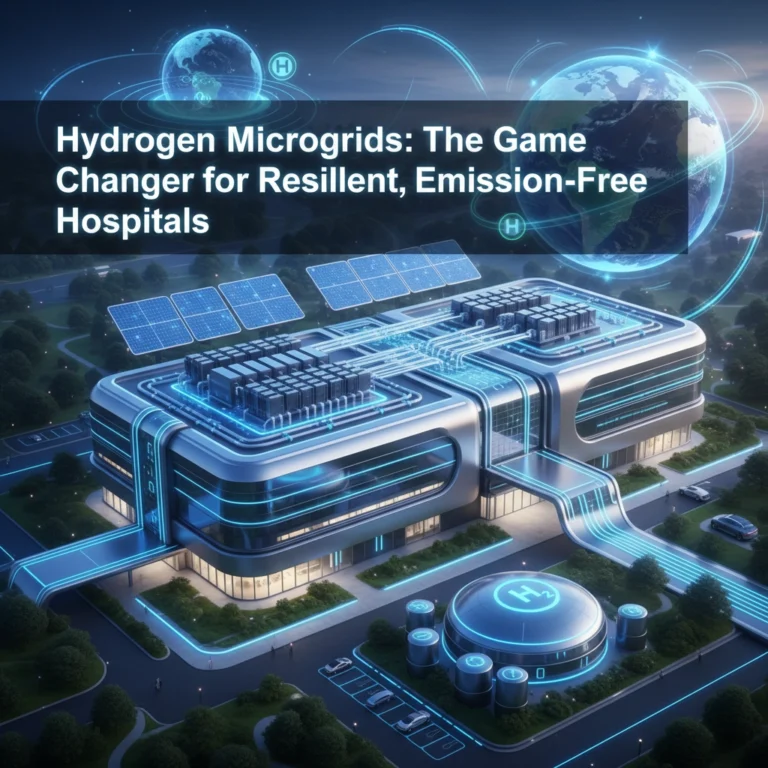
Hydrogen bridges the long-term gaps. Unlike batteries that drain in hours, hydrogen can store energy for days, weeks, or even months. It's your insurance policy against extended outages or seasonal variations.

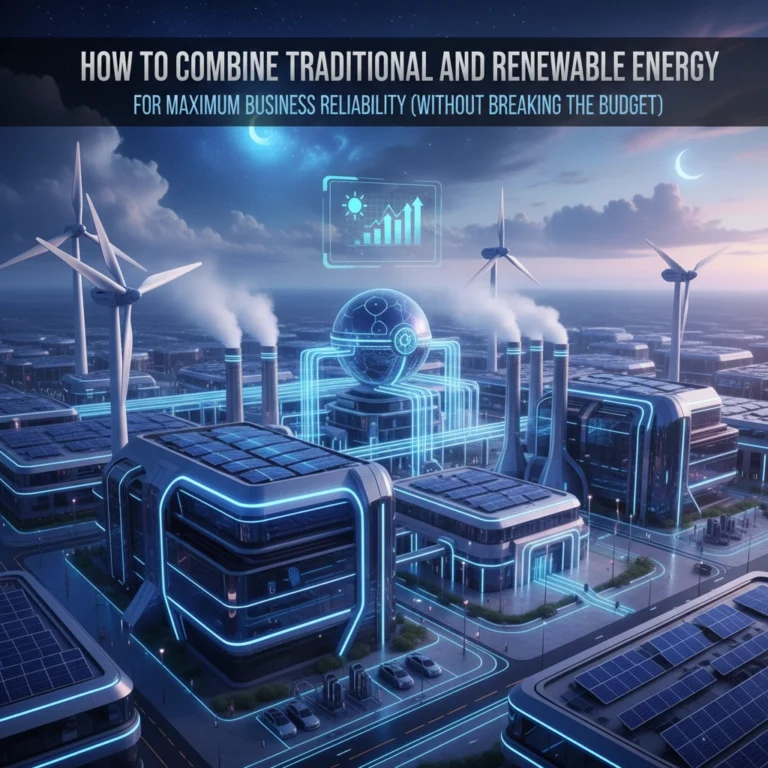
The magic happens when these three work together. Solar covers your regular needs, hydrogen handles extended storage, and oil provides the instant response that keeps critical systems running without missing a beat.
The Business Benefits That Actually Matter
Reliability That Lets You Sleep at Night
With a hybrid system, you're not praying that one energy source doesn't fail. If solar production drops, hydrogen storage kicks in. If both are running low, oil generators take over. Your operations keep humming no matter what Mother Nature throws at you.
Manufacturing facilities using hybrid systems report 99.9% uptime, even during grid outages that shut down competitors. That's the difference between meeting customer deadlines and watching them walk away.
Cost Control That Makes CFOs Happy
Yes, the upfront investment is bigger than a single-source system. But the long-term savings are massive. Here's the math that matters:
- Reduced fuel costs: Solar provides free power during peak production hours, cutting oil consumption by up to 60%
- Peak demand shaving: Hydrogen storage helps avoid expensive grid charges during high-demand periods
- Maintenance savings: Running oil generators less frequently extends their lifespan and reduces service costs
Companies typically see 30-50% lower total energy costs within three years of going hybrid.
Future-Proofing Against Regulation
Environmental regulations aren't getting looser. They're getting tighter. Fast. A hybrid system helps you comply with emissions targets while maintaining operational flexibility.
Instead of scrambling to meet new standards, you're already ahead of the curve. Some businesses even qualify for tax incentives and grants for implementing clean energy solutions.

Real-World Success Stories
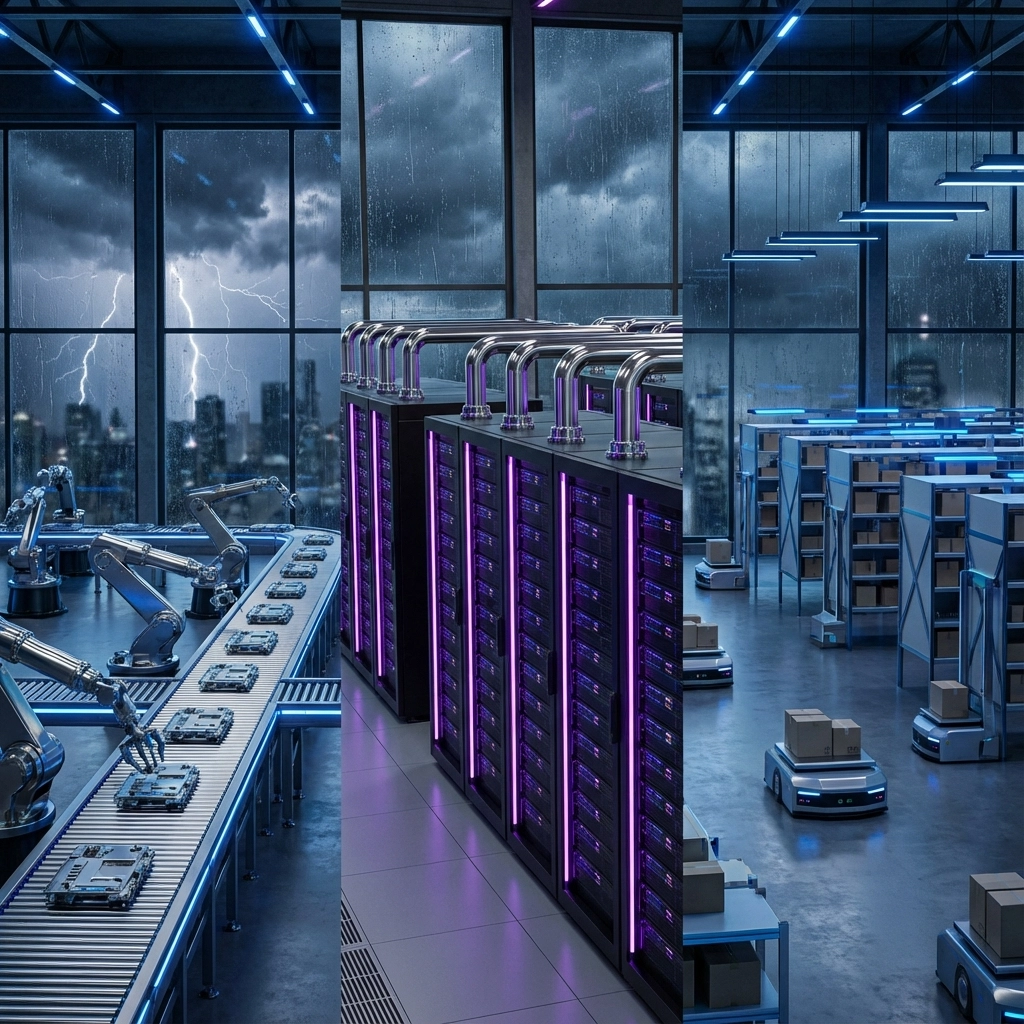
Manufacturing: A Texas fabrication company combined solar arrays, hydrogen fuel cells, and natural gas generators. Result? 45% lower energy costs and zero production downtime during the 2021 winter storm that knocked out competitors for weeks.
Data Centers: A cloud computing facility in California uses solar for daytime operations, hydrogen for evening peak loads, and biodiesel for emergency backup. They've achieved 99.99% uptime while cutting emissions by 70%.
Logistics: A distribution center in the Northeast runs solar-powered operations during the day, switches to hydrogen fuel cells for night shifts, and keeps diesel generators on standby. They've eliminated energy-related delivery delays entirely.
Making Hybrid Energy Work for Your Business
Start with an Energy Audit
Before designing any system, you need to understand your actual energy patterns. When do you use the most power? What are your critical vs. non-critical loads? How much downtime can you actually afford?
This baseline data determines the right mix of oil, solar, and hydrogen for your specific needs.
Design for Your Worst-Case Scenario
Don't size your system for average conditions. Plan for your highest energy demand during your longest potential outage. It's better to have excess capacity than to explain to customers why you couldn't deliver.
Choose Components That Play Well Together
Not all energy systems are designed to work together seamlessly. You need controllers, inverters, and management systems that can automatically switch between sources based on demand, availability, and cost.
Think Modular
Start with a core system and build out capacity over time. This spreads costs across multiple budget cycles and lets you learn what works best for your operation before committing to a massive installation.
The Technology Is Ready (Even If You're Not)
The components for oil-solar-hydrogen hybrid systems aren't experimental anymore. They're proven, scalable, and increasingly cost-effective:
- Solar panels have dropped 80% in cost over the past decade
- Hydrogen fuel cells are reaching grid-scale reliability
- Smart controllers can manage multiple energy sources automatically
- Oil generators are cleaner and more efficient than ever
The question isn't whether the technology works. It's whether you're ready to stop gambling with single-source energy.
Getting Started Without Breaking the Bank
You don't need to transform your entire operation overnight. Smart businesses phase in hybrid systems:
Phase 1: Add solar to reduce daytime grid dependence
Phase 2: Install hydrogen storage for peak load management
Phase 3: Integrate oil backup for complete energy security
This approach spreads costs, minimizes disruption, and lets you optimize each phase before moving to the next.
The Bottom Line
Energy reliability isn't a luxury anymore: it's survival. Supply chains, customer expectations, and regulatory requirements demand 24/7 operations. Single-source energy strategies are a gamble you can't afford to lose.
Hybrid systems combining oil, solar, and hydrogen give you the reliability of traditional energy with the sustainability and cost benefits of renewables. Early adopters are already seeing the competitive advantages: lower costs, higher uptime, and future-proof operations.
The companies winning in the next decade won't be the ones with the cheapest energy. They'll be the ones with the most reliable energy. And that means going hybrid.
Learn more about MWEnergy's hybrid solutions or contact our team to discuss your specific energy challenges.